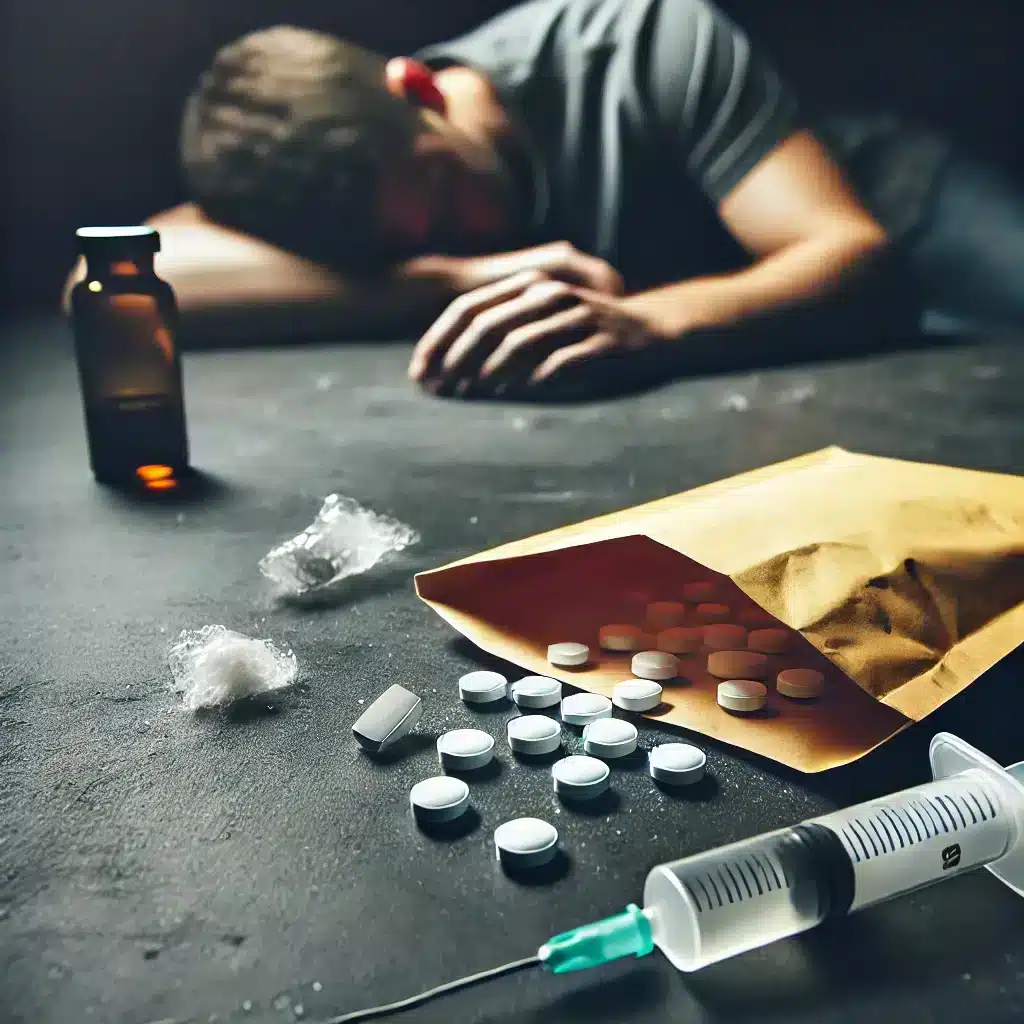
Updated 19 November 2026. Metonitazene is a potent synthetic opioid in the nitazene group. It has been found in counterfeit medicines. A tablet’s colour, imprint or packaging cannot confirm what it contains. If someone is unresponsive or not breathing normally, call your local emergency number immediately.
Why can counterfeit medicines contain metonitazene?
Illicit tablets can imitate a familiar prescription medicine while containing a different substance or an unpredictable strength. A seller’s description or professional-looking blister pack is not reliable proof of identity. Medicines obtained through regulated healthcare and authorised pharmacies have a different supply chain from tablets sold by unknown online or street sellers.
What is new in the 2026 evidence?
Public Health Scotland updated its nitazene alert on 27 October 2026. It describes nitazenes being mis-sold as other drugs and found in counterfeit medicines, including tablets sold as oxycodone. These are findings from Scotland, not an estimate of every country’s drug supply. The European Drug Report 2026 also describes continuing risks from new synthetic opioids and counterfeit medicines.
Can a fentanyl test rule out metonitazene?
No. Fentanyl and metonitazene are different substances. A test labelled for fentanyl, opioids or multiple drugs should not be assumed to detect every nitazene. Read the exact analytes, sample type and limitations in the manufacturer’s instructions. A negative result cannot certify an unknown tablet as safe.
Nitazene screening strips also have limitations: coverage and sensitivity vary, and other harmful substances may be missed. Screening does not show the full composition or establish a safe dose. A suitable analytical method is needed to identify the contents of an unknown material reliably.
Is a urine test the same as testing a tablet?
No. A biological sample can be used to investigate exposure to selected substances. Analysing a tablet investigates the material itself. A person’s urine result cannot establish the tablet’s complete contents or identify every possible contaminant.
What should you do in a suspected overdose?
Unresponsiveness and slow, irregular or absent breathing require urgent help. Call the local emergency number (112 in the EU, 999 in the UK or 911 in the US), put the phone on speaker and follow the dispatcher’s instructions. Start CPR if the person is unresponsive and not breathing normally. If unconscious but breathing normally, use the recovery position and continue monitoring.
If naloxone is available, use it according to its instructions and your training without delaying emergency care. Medical help remains necessary even after improvement. See the opioid overdose first aid guide.
Frequently asked questions
Can metonitazene be identified from a photograph?
No. Matching a tablet to a photograph cannot reliably identify its ingredients or strength. Counterfeit products can look like genuine medicines.
Does a negative screening result mean the tablet is safe?
No. The test may not cover the substance present, the sample may be below the detection threshold, or another harmful ingredient may be present.
Learn more about testing
Read the drug testing information guide, then compare products by sample type and intended analytes. Always follow the individual product’s instructions.
Sources and review date
Reviewed 19 November 2026. Public Health Scotland: RADAR nitazene alert, version 2.1 (27 October 2026); EUDA: European Drug Report 2026 (9 June 2026); Resuscitation Council UK: first aid guidelines 2025; WHO: opioid overdose.