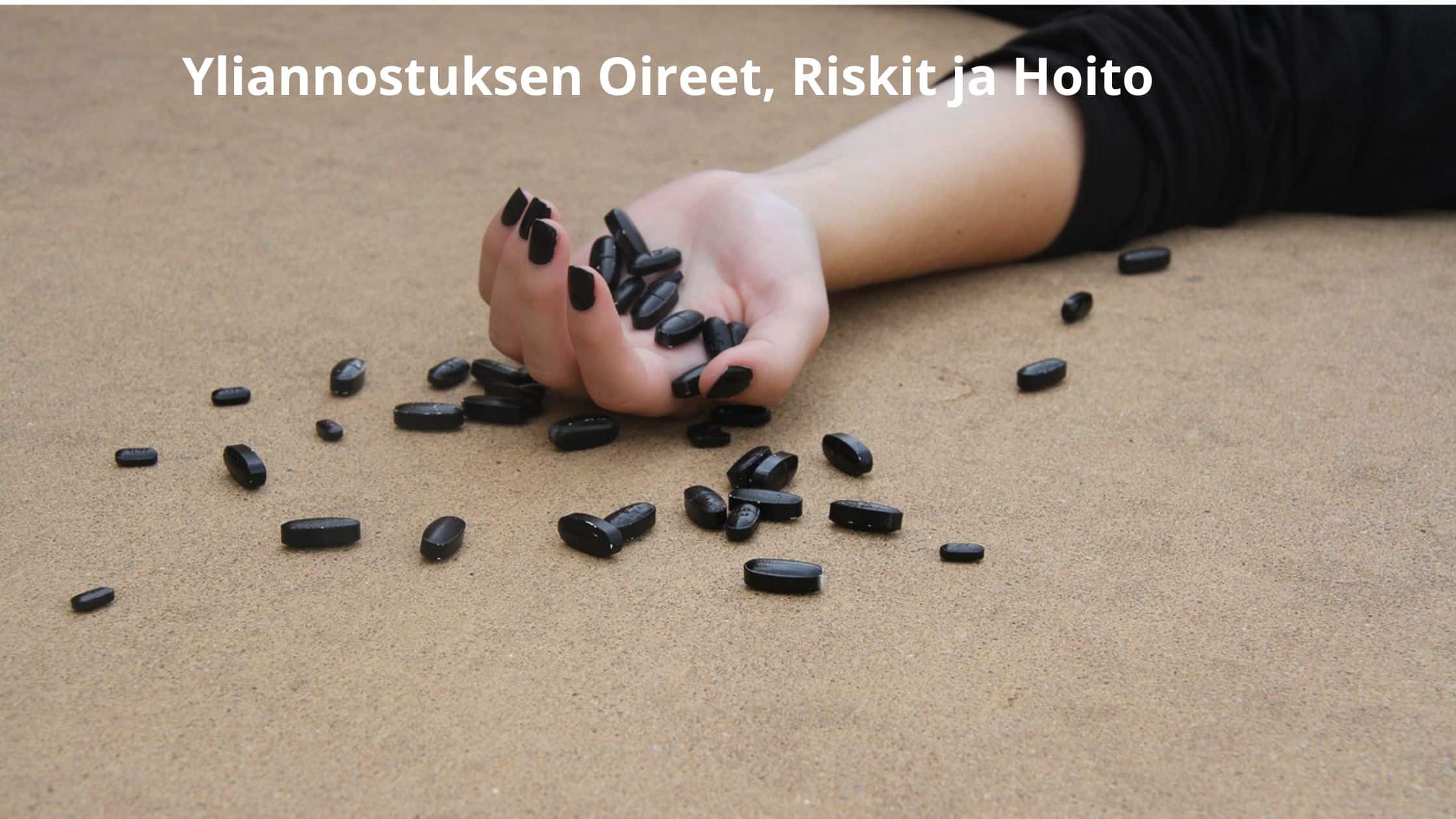
An overdose should be suspected if a person who has used intoxicants does not wake up, breathes slowly or irregularly, has convulsions, is exceptionally confused or their lips turn blue. Call 112 immediately. Do not wait for the symptoms to worsen or the test result, and do not leave the person alone.
Do the following immediately
- Call 112 and tell them that you suspect an overdose or mixed use.
- Check their breathing and follow the instructions of the Emergency Response Centre.
- If the person is breathing but does not wake up, turn them to the side position.
- If the person is not breathing normally, start CPR according to the Emergency Response Centre’s instructions.
- Stay in place. Collect the packages that are visible and tell the emergency medical services of any known substances.
Do not give the unconscious person food, drink or medication orally. Do not try to induce vomiting.
Signs of opioid overdose
- The person does not wake up when spoken to or shaken.
- Breathing is very slow, irregular or has stopped.
- Breathing may sound like snoring or rattling.
- The lips or fingertips may turn blue.
- The pupils may be very small.
If naloxone is available and an opioid overdose is possible, administer it according to the instructions on the package and the advice of the emergency response centre. Naloxone is not a substitute for emergency calls, respiratory support or emergency medical care. Read also about the use and availability of naloxone.
Overdose of depressants
Opioids, benzodiazepines, alcohol and other central nervous system depressants can impair consciousness and breathing. The risk increases especially with mixed use. Serious signs include not being awake, difficulty breathing, severe lethargy and vomiting when consciousness is impaired.
Stimulant overdose
Amphetamine, methamphetamine, cocaine, MDMA and synthetic stimulants can cause dangerously high body temperature, chest pain, arrhythmias, severe agitation, confusion, psychosis or convulsions. Call 112, especially in case of chest pain, convulsions, decreased consciousness or intense heat.
What increases the risk of overdose?
- Using several substances at the same time or one after another
- Unknown composition or greater strength than usual
- Reduced tolerance after a break, withdrawal or a period of treatment
- Combining opioids with alcohol or sedative medicines
- Using alone and underlying medical conditions
The content of a substance obtained from a street or online store cannot be inferred from its appearance. See also what testing for an unknown substance can and cannot tell you.
More information and advice
In an emergency, call 112. In other cases of sudden suspicion of poisoning, you can get instructions from the Poison Information Centre. More information on the prevention of drug-related deaths is available in THL’s data.